
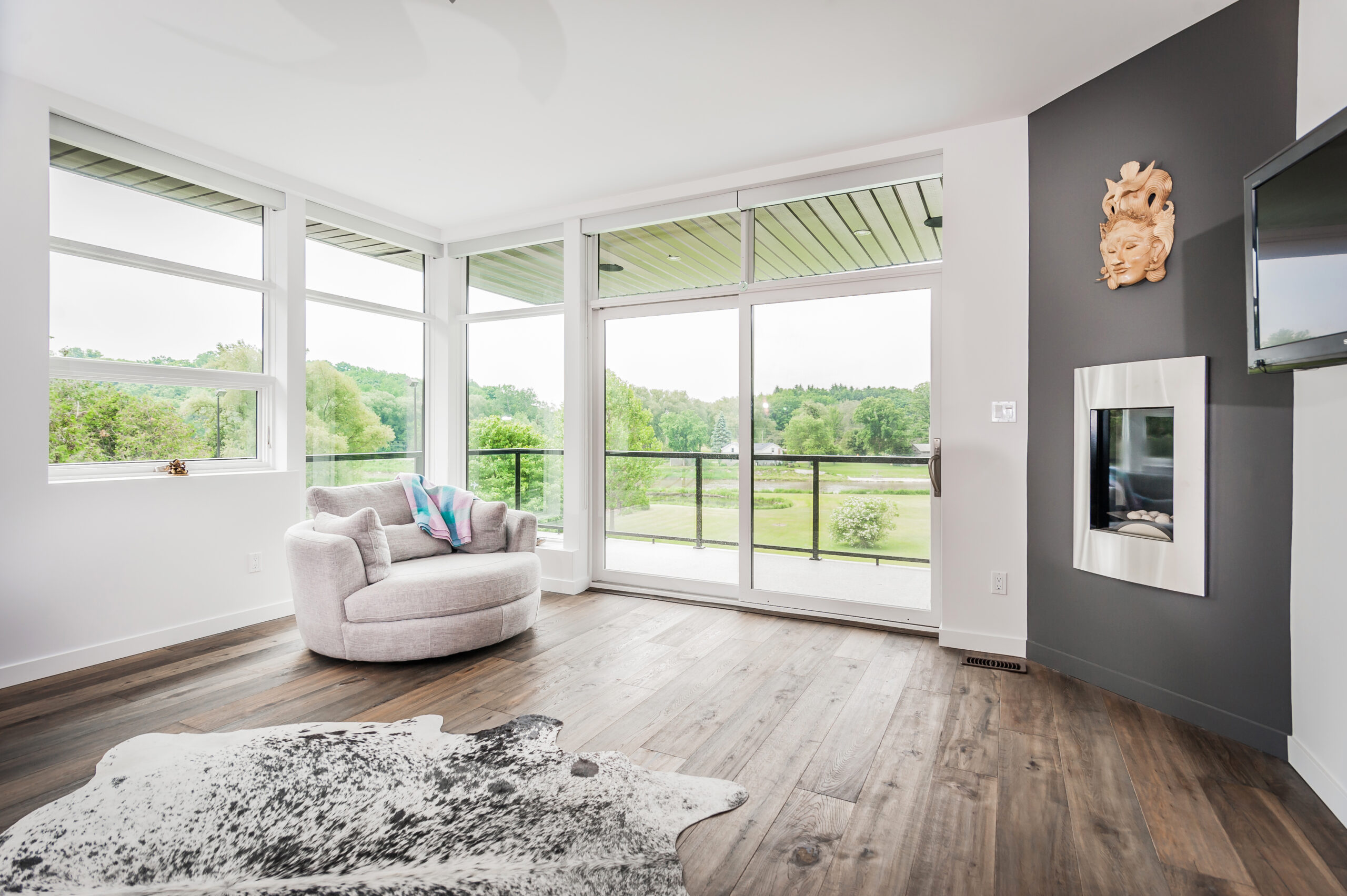
Sustainability is no longer a niche conversation. In luxury design, it has become a mark of discernment.
The most sophisticated homes today are not only beautiful — they are responsible. They are designed with foresight, intention, and a deep respect for both craftsmanship and longevity.
As a designer and real estate advisor, I view sustainability through a broader lens: how a home performs over time, how it supports wellness, and how it holds long-term value. True eco-conscious design is not about sacrifice. It is about choosing better.
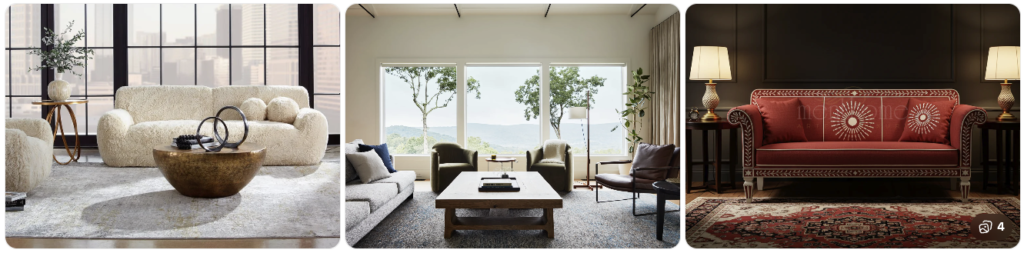
The most sustainable decision you can make is restraint.
Investing in a well-crafted sofa from a responsible manufacturer — one built to last decades — has a dramatically smaller environmental impact than replacing lower-quality furniture every few years.
Sustainability begins with a mindset shift: from decorating impulsively to curating intentionally. In luxury interiors, fewer pieces — chosen with precision — create both visual clarity and environmental responsibility.
And importantly, quality endures. That endurance protects value.
Natural Materials, Elevated
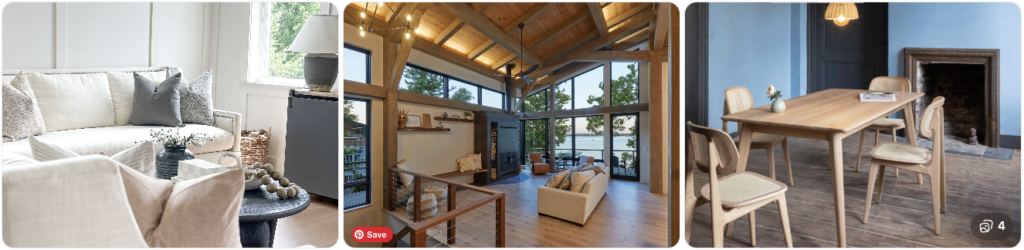
Linen. Hemp. Wool. Cork. Rattan. FSC-certified wood.
These are not rustic compromises — they are the foundation of modern, eco-elevated interiors. Natural materials age with grace, developing patina and depth rather than deterioration.
When sourcing textiles and wood products, look for certifications such as GOTS (Global Organic Textile Standard) and FSC (Forest Stewardship Council). These signals matter — not only ethically, but financially. Buyers are increasingly aware of material provenance, and it influences perception.
In high-end homes, sustainability and sophistication now move together.
The Power of Secondhand & Vintage
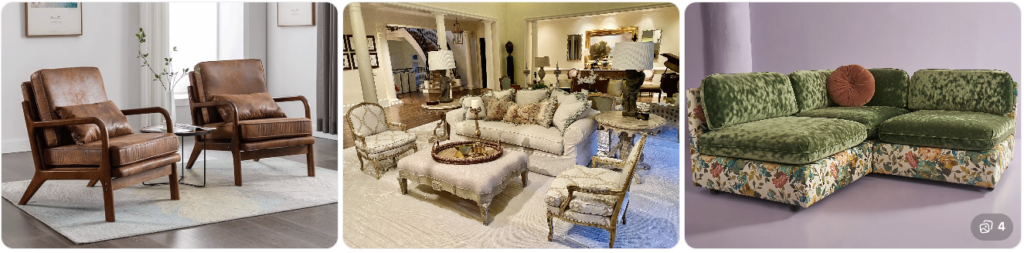
The most sustainable piece of furniture is the one that already exists.
Vintage and secondhand pieces bring character, craftsmanship, and narrative into a space. A mid-century chair. A reclaimed console. A reupholstered heirloom sofa in sustainable fabric.
These elements elevate an interior beyond trend. They create individuality — something increasingly valued in luxury real estate.
Sustainability, when done well, becomes storytelling.
Healthy Homes: Low-VOC & Non-Toxic Finishes
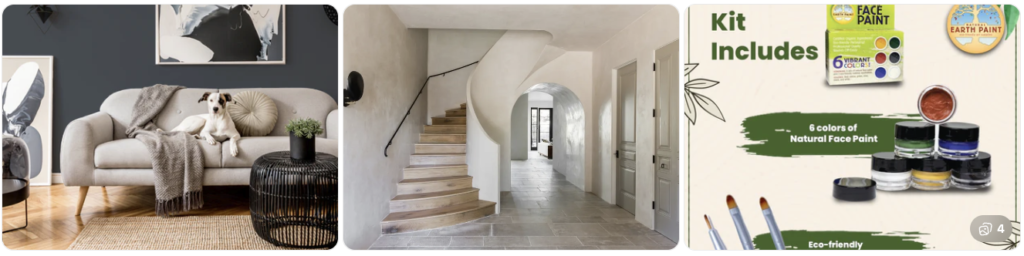
Indoor air quality is one of the most overlooked components of design — and one of the most important.
Conventional paints release volatile organic compounds (VOCs) that linger for years. Choosing low- or zero-VOC paints, natural plasters, and non-toxic finishes significantly improves both environmental impact and personal wellness.
Luxury today includes health. A beautiful home should also be a restorative one.
From a market perspective, wellness-forward homes are not a trend — they are an investment category.
Biophilic Design: Architecture in Dialogue With Nature
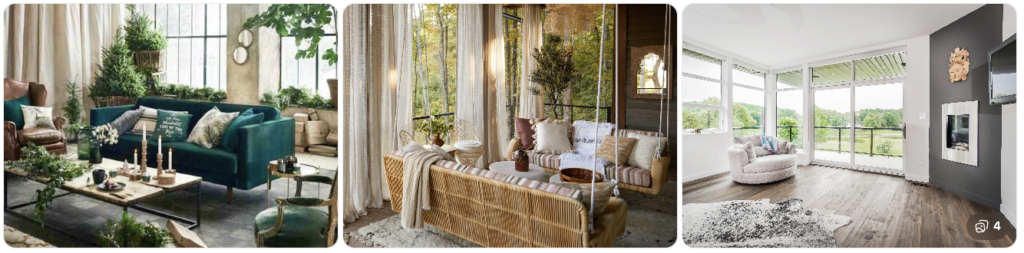
Integrating nature into the home is both aesthetic and strategic.
Indoor plants, organic forms, natural light, living walls — these elements improve air quality, reduce stress, and foster connection to the outdoors.
Large architectural windows that maximize daylight reduce artificial lighting demands while increasing property appeal. Homes that feel light-filled and connected to nature consistently command stronger emotional responses in buyers.
Biophilic design is not decoration. It is intelligent architecture.
Design for Longevity
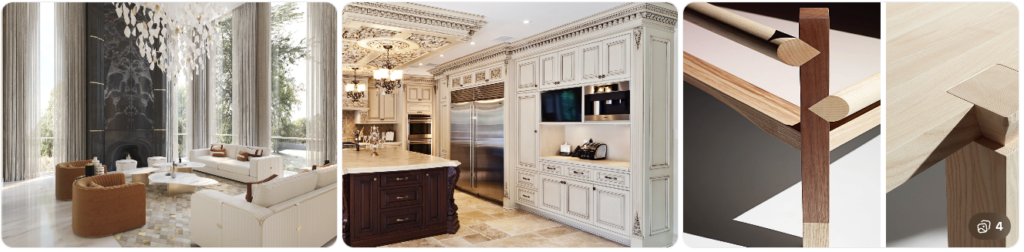
The most sustainable interior is one you will love for decades.
Choosing timeless over trendy. Investing in craftsmanship over convenience. Designing spaces that reflect who you truly are — not what is fashionable this season.
When a home authentically reflects its inhabitants, it rarely needs reinvention.
Longevity is the ultimate sustainability strategy.
The 2026 Perspective
Sustainable design is not a sacrifice. It is refinement.
It is choosing materials that endure, craftsmanship that respects time, and environments that support health and wellbeing. It is designing homes that are not only beautiful today — but valuable tomorrow.
At the intersection of design and real estate, sustainability becomes more than ethics. It becomes strategy.
And strategy, when paired with beauty, creates legacy.